

Ottenere indicazioni
Zona dell'industria tessile, città di East Hutang, distretto di Wujin, 213100 Changzhou, Cina
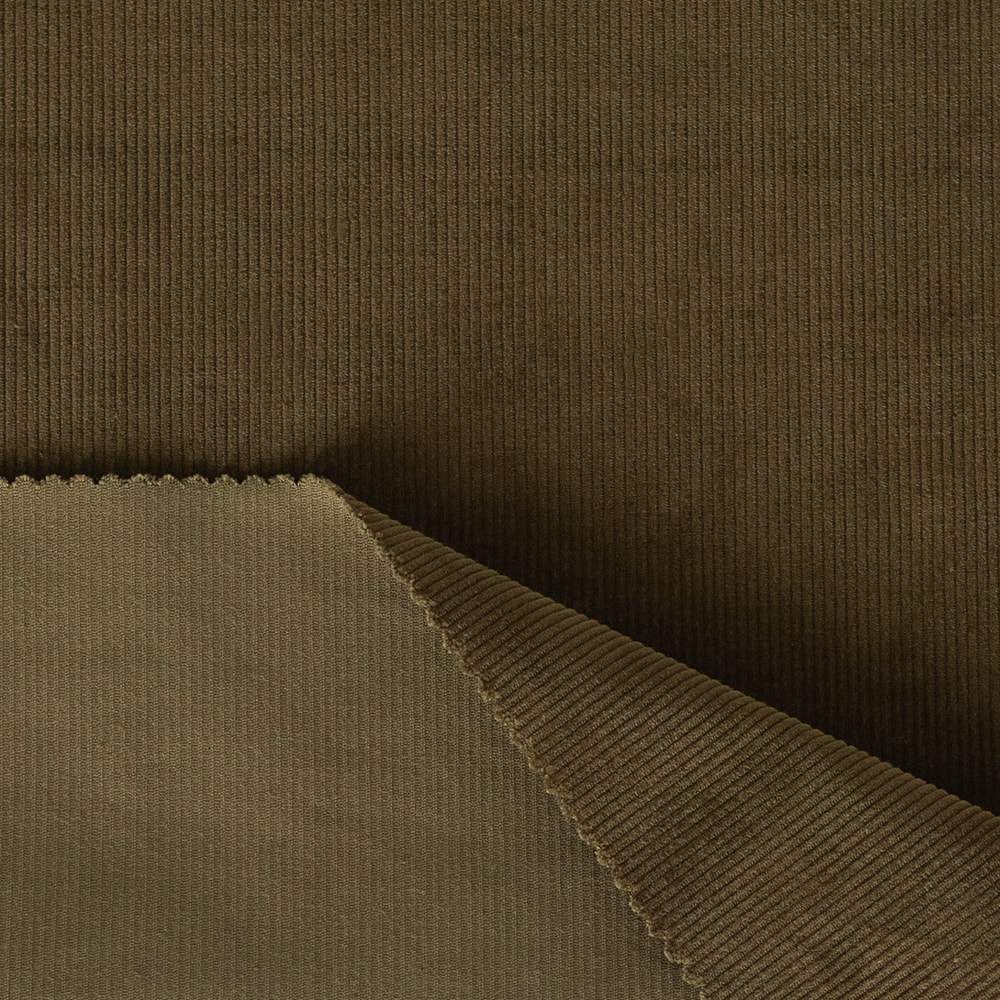
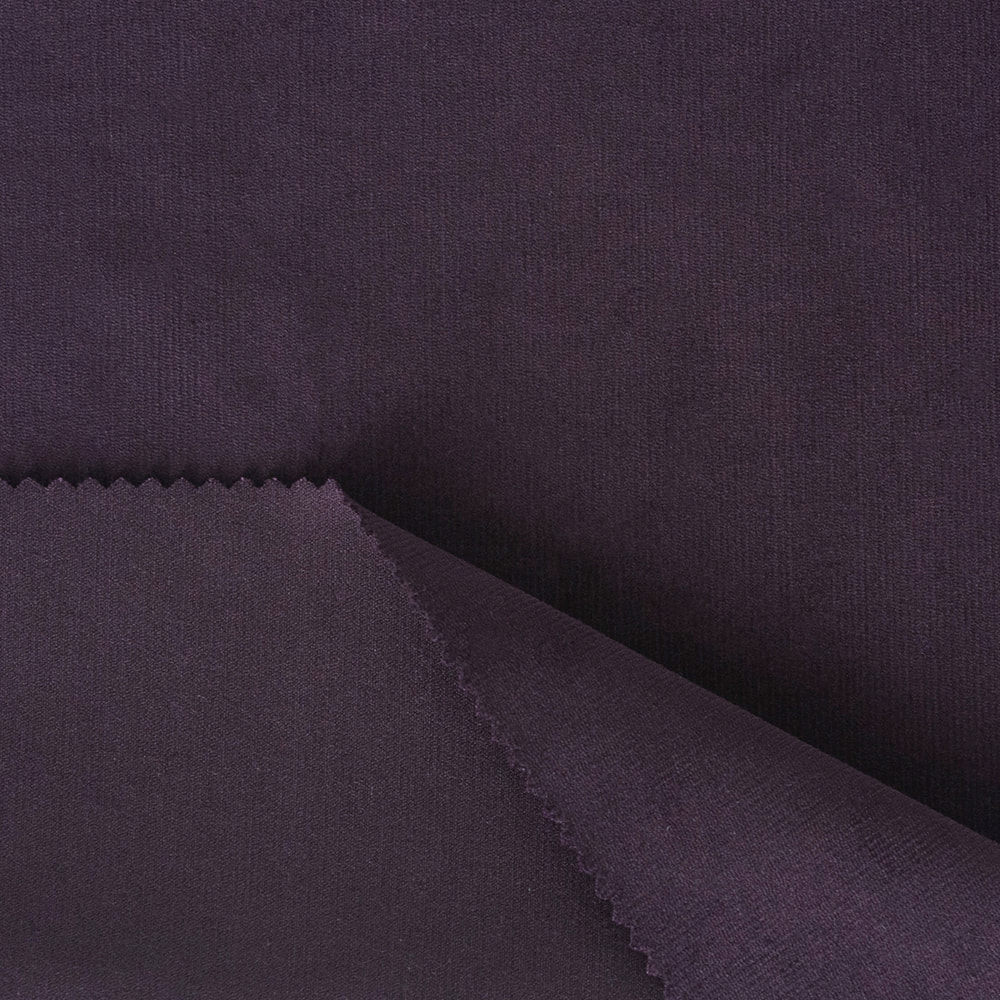
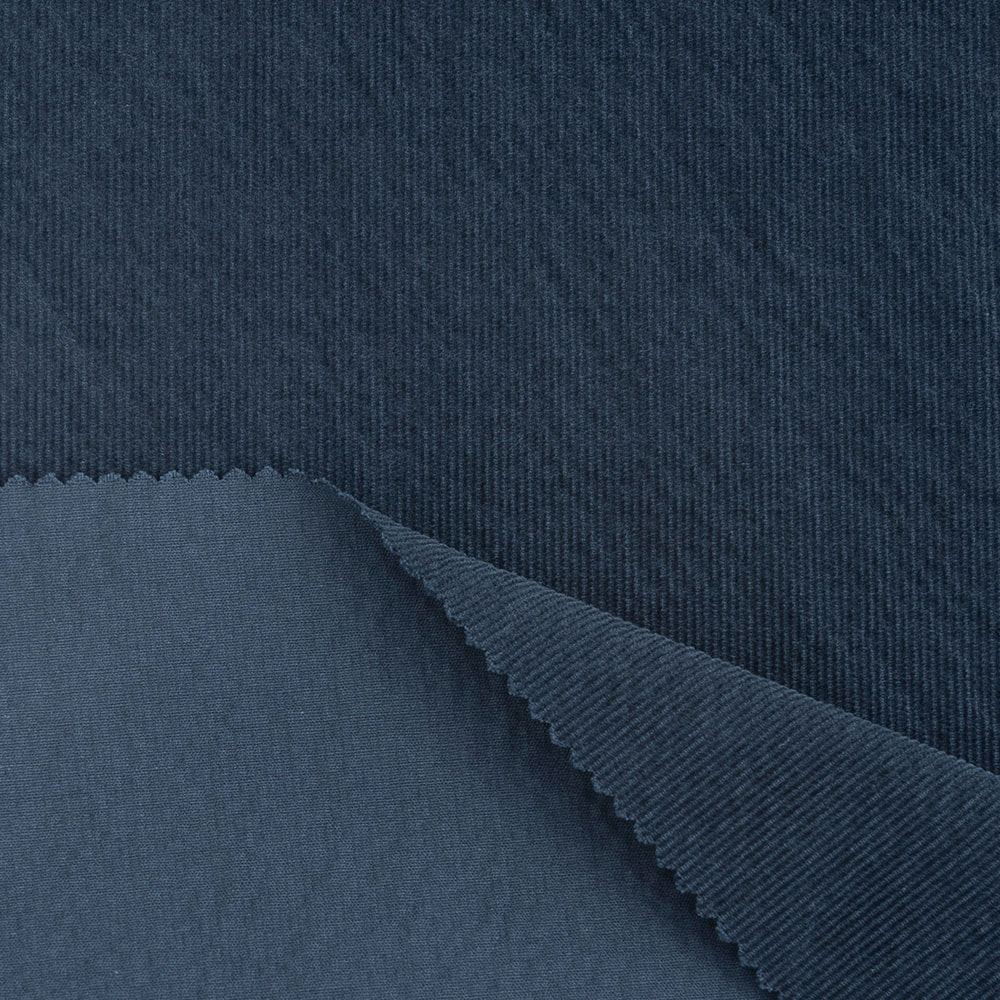
Il grigio si trova al centro dello spettro dei colori del velluto a coste per un motivo. A differenza delle tonalità saturate che cambiano visivamente a seconda della luce o della stagione, il grigio mantiene la sua neutralità su larghezze, pesi dei tessuti e usi finali. Un pantalone di velluto a coste grigio si legge come un indumento da lavoro in un bel 21-wale; la stessa tonalità in un 6 galloni diventa un cappotto di tendenza. Il colore funziona in entrambe le direzioni e questa versatilità è proprio il motivo per cui il grigio rimane una delle tonalità più costantemente specificate nella produzione di velluto a coste in tutto il mondo.
Dal punto di vista della produzione, ottenere tonalità di grigio uniformi sul velluto a coste presenta sfide specifiche. La superficie in pile del velluto a coste riflette la luce direzionalmente: fai scorrere la mano in una direzione e il tessuto apparirà più leggero; invertirlo e si approfondisce. Questo comportamento a pelo significa che i pezzi di indumento tagliati in direzioni opposte appariranno come due tonalità diverse anche se provengono dallo stesso rotolo. La tintura in pezza, il processo di tintura del tessuto dopo la tessitura anziché prima, è il metodo standard per ottenere l'uniformità del colore richiesta dal grigio durante un ciclo di produzione completo. Consente alle tintorie di puntare su toni neutri precisi senza la variazione di tonalità introdotta dalla tintura del filato.
Il velluto a coste grigio risponde bene anche alle costruzioni in fibra mista. L'aggiunta di rayon o Tencel a una base di cotone ammorbidisce la sensazione al tatto e migliora il drappeggio, che nelle tonalità di grigio più chiaro crea un aspetto più raffinato e meno utilitaristico. Nei pesi più pesanti e nei toni antracite più scuri, la struttura in puro cotone conserva la qualità strutturata, quasi architettonica, che ha reso il velluto a coste un tessuto per indumenti da lavoro.
Il velluto a coste standard è un tessuto intrecciato. La sua struttura - un'armatura di base con filati di pelo tagliati che formano le balze - gli conferisce mantenimento della forma, corpo e durata, ma una elasticità limitata. Il velluto a coste di puro cotone in genere si allunga non più del 3-5% nella direzione della trama, il che è sufficiente per adattarsi al corpo durante l'uso ma non abbastanza per consentire movimenti attivi senza stress sulle cuciture.
Il velluto a coste elasticizzato risolve questo problema introducendo una fibra elastica - quasi sempre spandex (elastan) - nella composizione del filato, tipicamente al 2-5% del contenuto totale di fibre. Quella piccola percentuale cambia in modo significativo il comportamento del tessuto. Il tessuto può ora estendersi sotto tensione e recuperare le sue dimensioni originali una volta rilasciato, proprietà nota come recupero elastico. Il risultato è un velluto a coste che si muove con chi lo indossa piuttosto che contro di lui. Per i tagli aderenti (pantaloni slim, giacche affusolate, abiti aderenti) il velluto a coste elasticizzato fornisce alla struttura di un tessuto il comfort di una maglia.
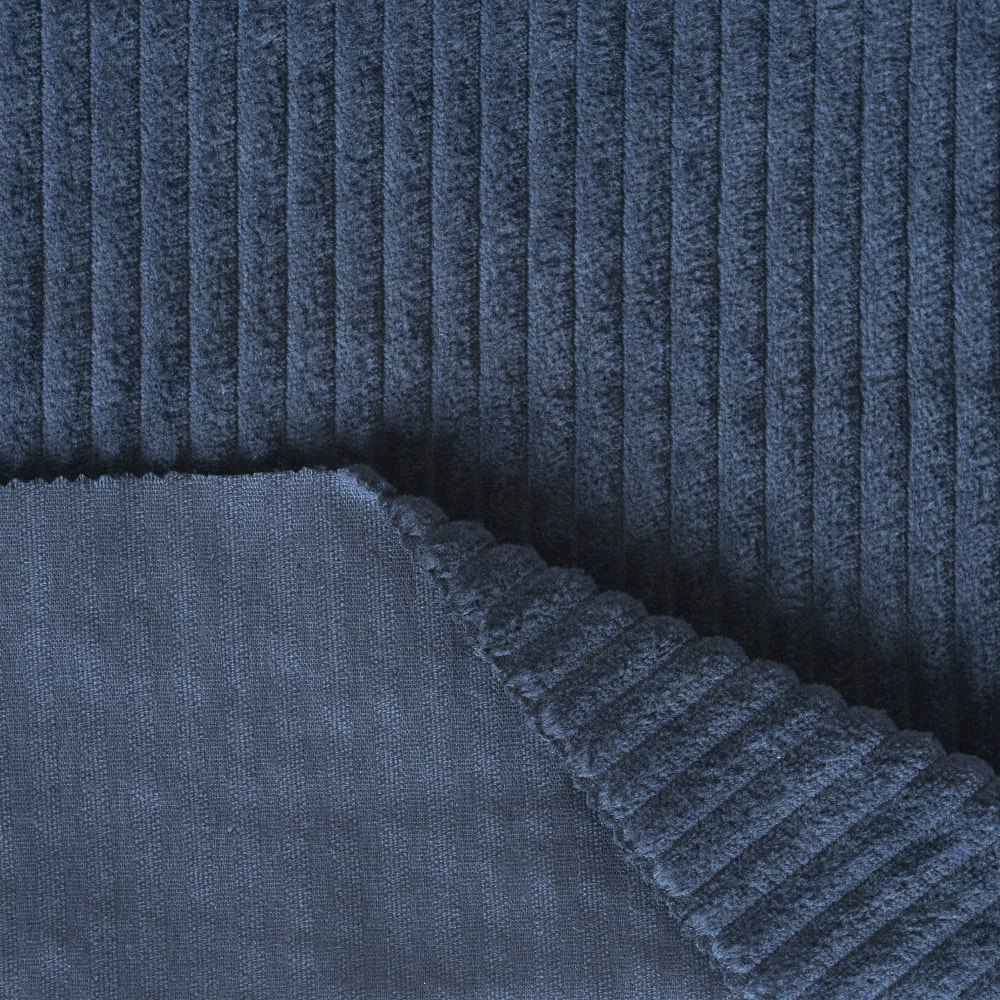
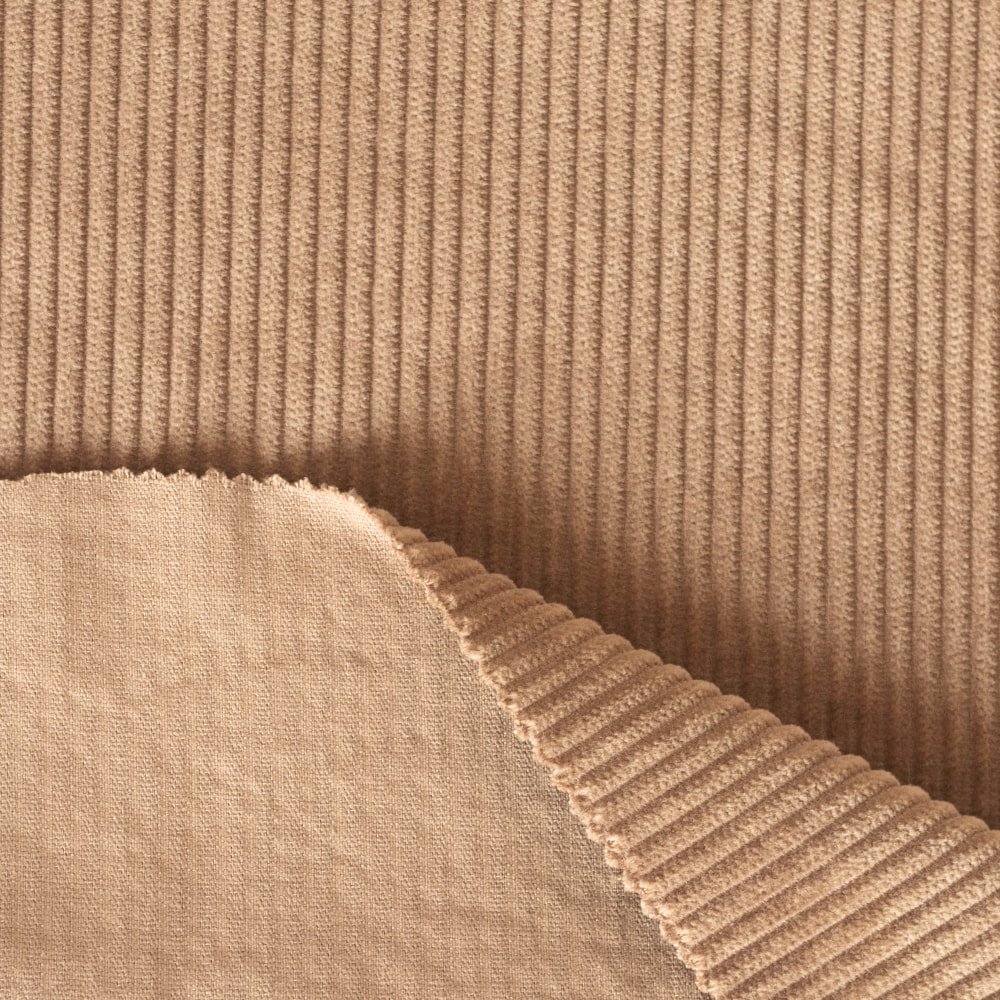
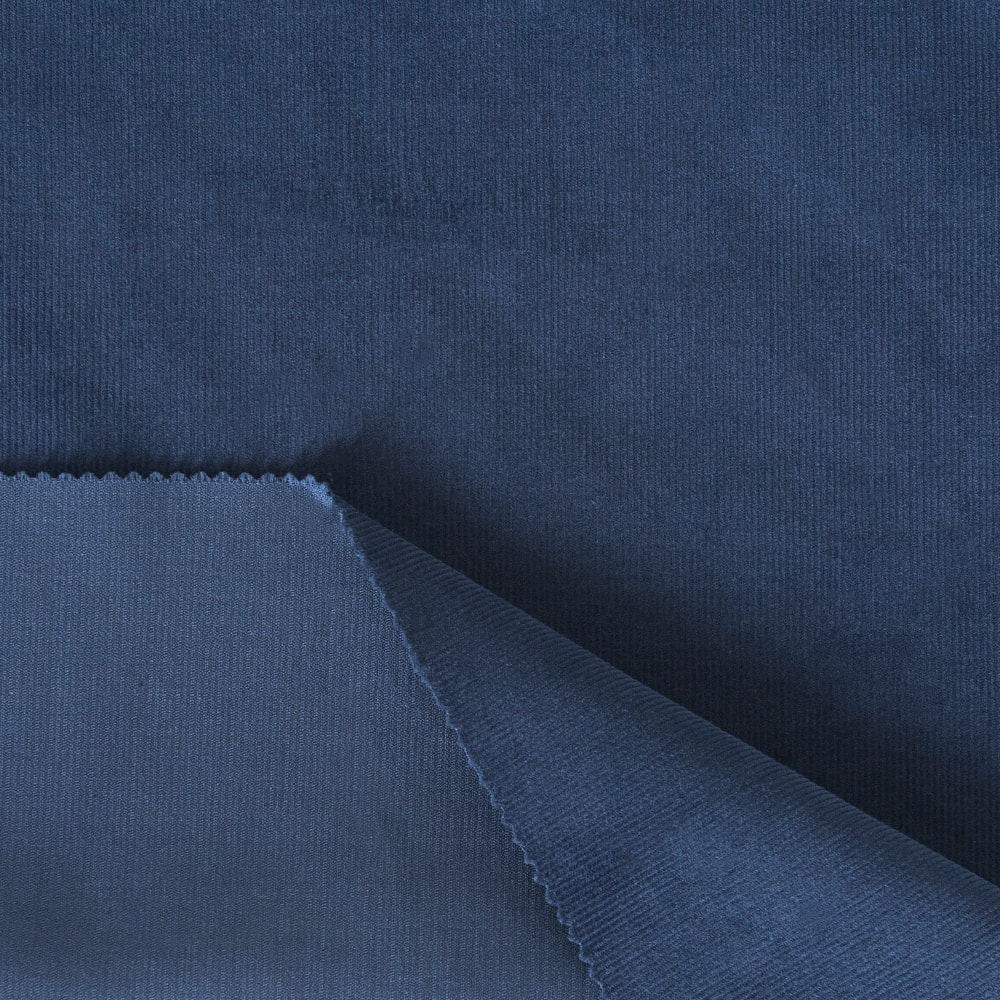
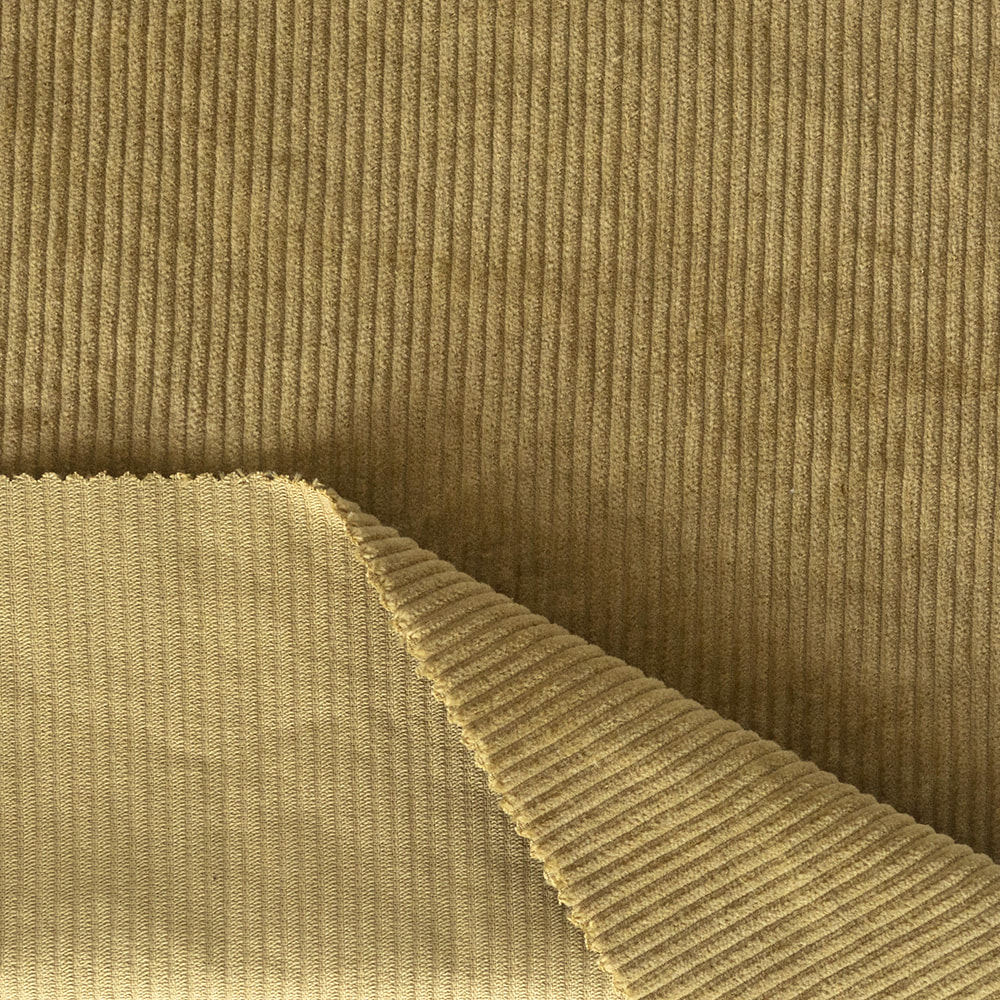
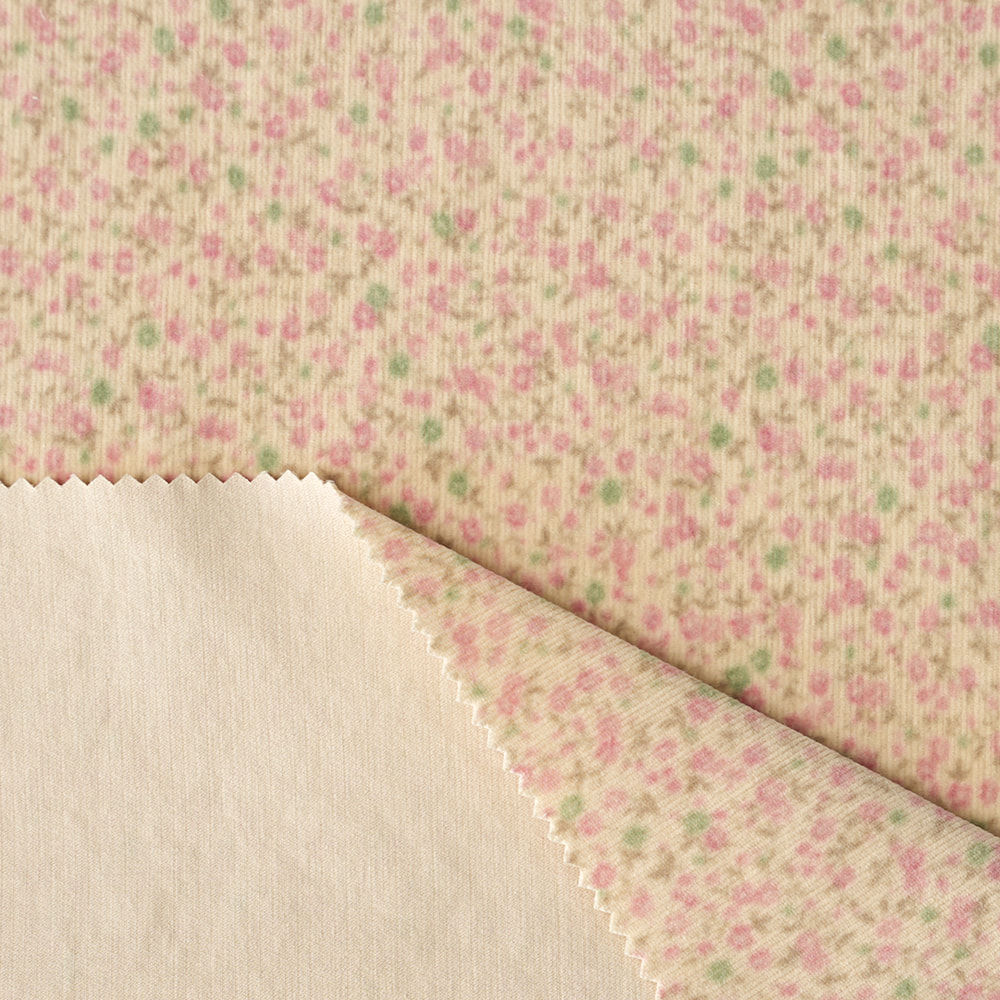
Anche la direzione dell’allungamento è importante. La maggior parte del velluto a coste elasticizzato aggiunge elasticità solo nella direzione della trama (elasticità trasversale), che si adatta alla larghezza dei fianchi e delle cosce nei pantaloni. La struttura bi-stretch estende l'elasticità sia nella direzione dell'ordito che in quella della trama, rendendo il tessuto adatto a modelli più sagomati e applicazioni attive. Il nostro tessuto in velluto a coste bielastico per capi aderenti è progettato specificamente per queste prestazioni in doppia direzione, mantenendo la chiarezza della balena offrendo allo stesso tempo un comfort di movimento completo. Per l'elasticità in una sola direzione con eccellente recupero nelle applicazioni tessili per la casa e pantaloni casual, il tessuto in velluto a coste elasticizzato in cotone-elastan per pantaloni e tessuti per la casa offre prestazioni affidabili in un'ampia gamma di usi finali.
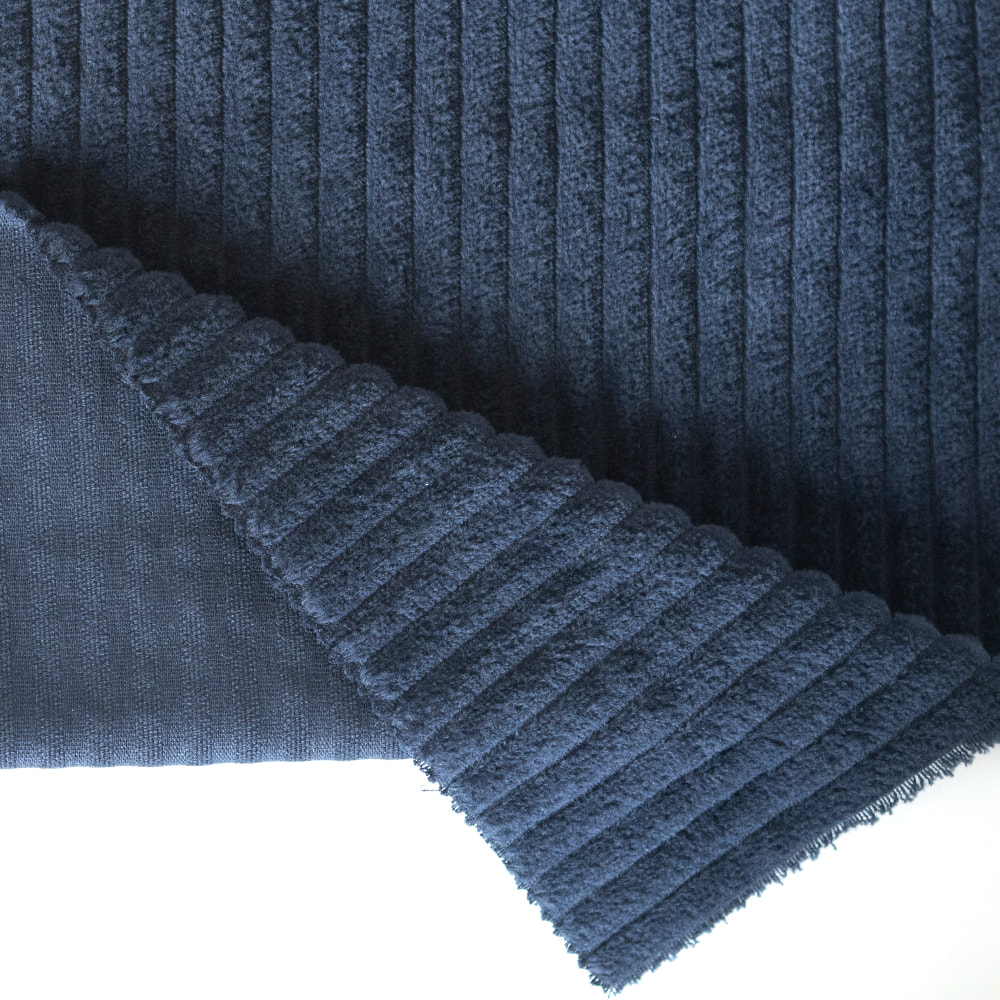
Il conteggio delle coste, ovvero il numero di nervature in rilievo per pollice, è la specifica più visibile di qualsiasi tessuto di velluto a coste, ma ha anche un effetto diretto sull'elasticità del tessuto finito. La relazione non è sempre intuitiva.
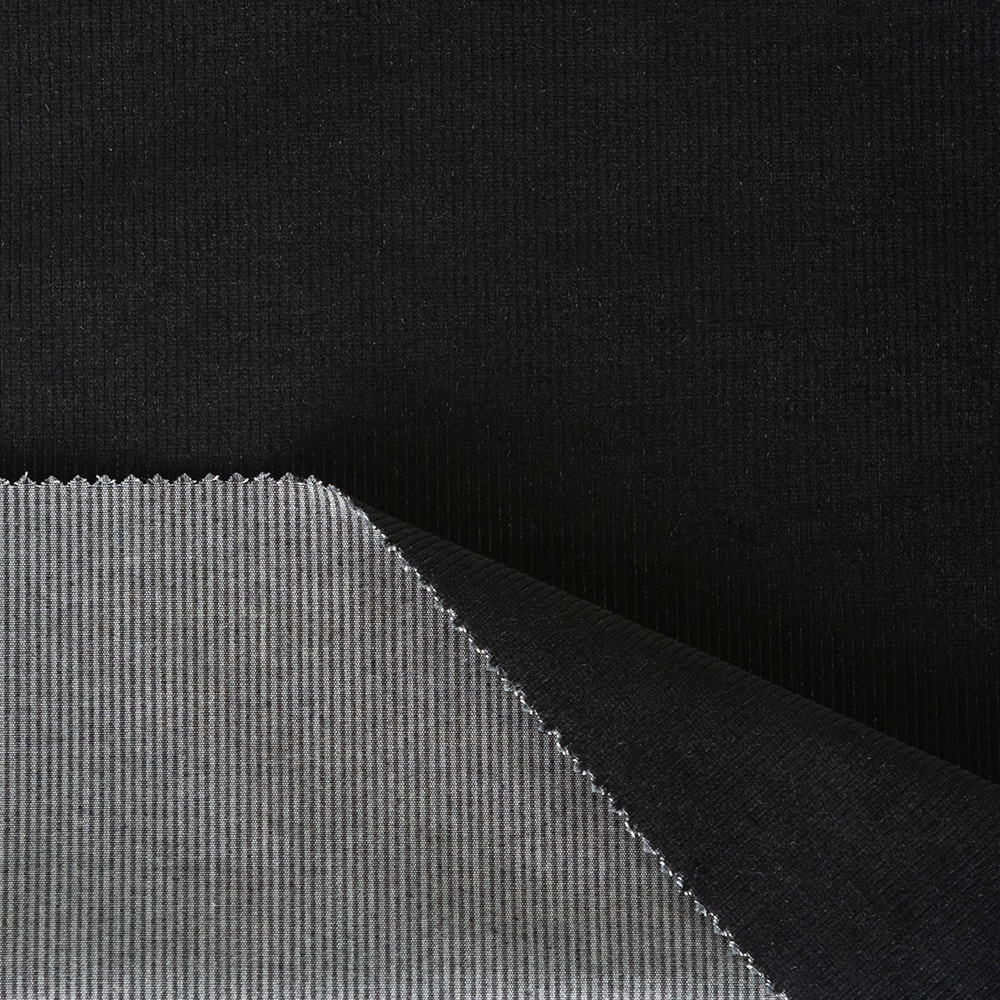
Il velluto a coste fini (14W, 16W, 21W) ha una struttura a pelo più denso con più filati imballati in ogni pollice di tessuto. Questa densità in realtà supporta meglio l'elasticità: il componente in spandex distribuisce la sua tensione su più fili, risultando in un'elasticità più liscia e uniforme con meno distorsioni del disegno delle coste durante il movimento. A Velluto a coste elasticizzato in cotone-spandex caldo e traspirante da 21 W , ad esempio, mantiene le costole croccanti e ben definite anche sotto tensione laterale: una qualità fondamentale per pantaloni attillati e abbigliamento per bambini dove il tessuto è sottoposto a frequenti sollecitazioni.
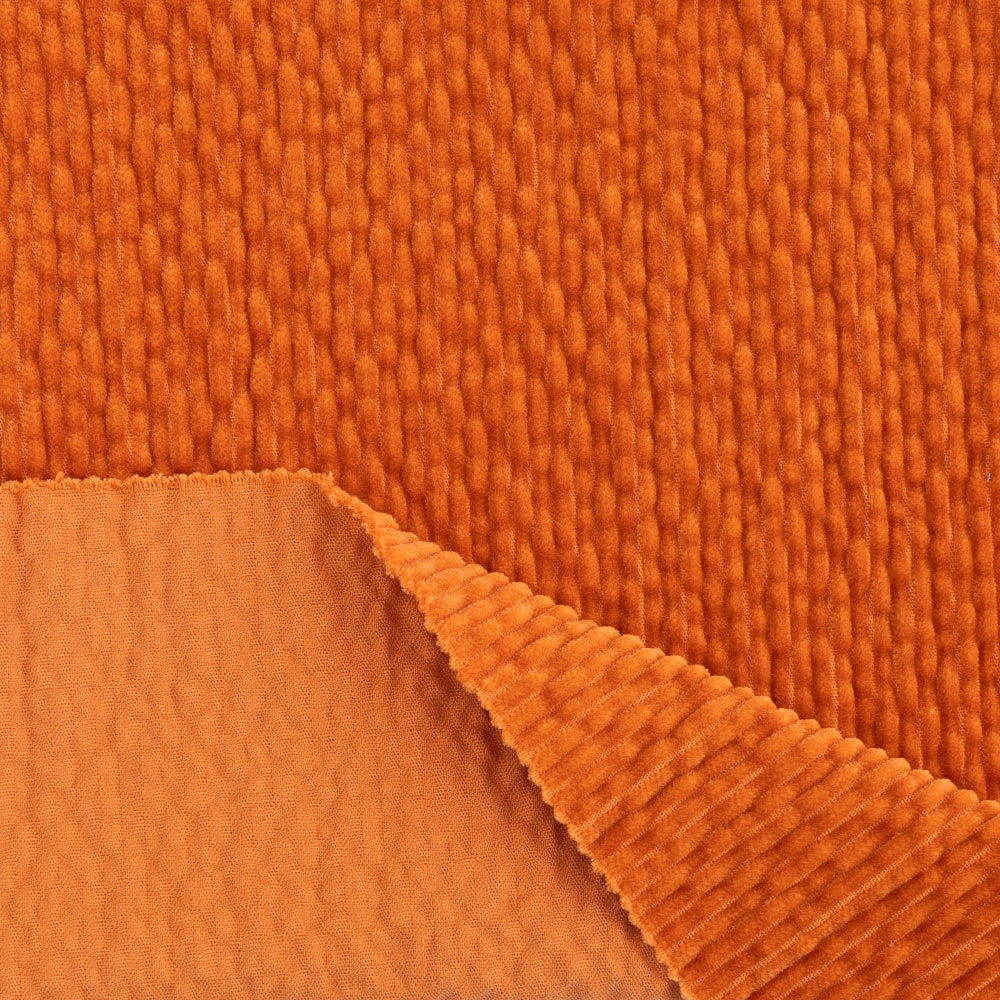
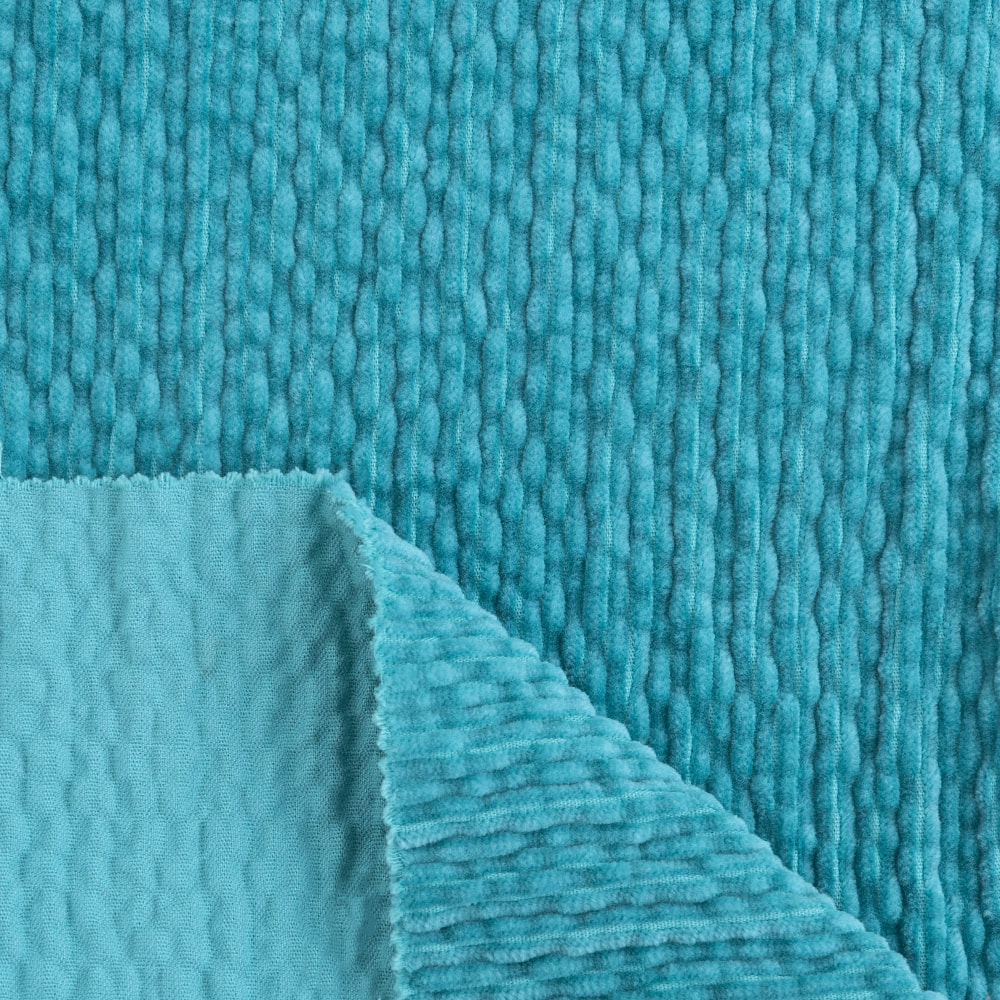
Il velluto a coste larghe (4W, 6W, 8W), al contrario, ha meno coste, più spesse e strutturalmente più rigide. L'elasticità nei tessuti a balza larga tende ad essere più direzionale e può far sì che le balze si allarghino visivamente sotto tensione. Questo non è necessariamente un difetto: il velluto a coste elasticizzato a costa larga funziona bene per indumenti dalla vestibilità comoda, capispalla e tappezzerie in cui non è previsto che il tessuto si adatti perfettamente al corpo. Secondo Panoramica di Sewport sulle proprietà e sulla costruzione del tessuto in velluto a coste Dentrooltre, il numero delle coste influisce anche sul peso del tessuto e sulla traspirabilità, che a loro volta influenzano le prestazioni di una miscela elasticizzata nelle diverse stagioni.
| Wale Count | Categoria | Comportamento di allungamento | Le migliori applicazioni |
|---|---|---|---|
| 4W – 6W | Wala larga | Moderato; il Galles può espandersi sotto tensione | Capispalla, tappezzeria, pantaloni comodi |
| 8 W – 11 W | Wala standard | Buono; struttura equilibrata e flessibilità | Giacche, pantaloni casual, gonne |
| 14W – 16W | Bella vallata | Eccellente; distribuzione uniforme su pelo denso | Pantaloni aderenti, camicie, vestiti |
| 18 W – 21 W | Pinwale/cordoncino | Molto liscio; minima distorsione della balena | Abbigliamento per bambini, camicette leggere, fodere |
La composizione della fibra di base determina molto più della semplice percentuale di allungamento. Modella il drappeggio, il calore, la gestione dell'umidità e la sensazione generale della mano del tessuto finito. Nello specifico, per il velluto a coste grigio, la scelta della fibra influenza anche la lettura del colore: freddo, caldo, opaco o brillante, perché ogni fibra interagisce con la tintura e la luce in modo diverso.
Cotone-Spandex è la composizione di velluto a coste elasticizzato più utilizzata. Il cotone fornisce la struttura, la traspirabilità e la sensazione naturale che gli acquirenti di velluto a coste si aspettano; lo spandex aggiunge il recupero elastico. La combinazione è durevole, facile da tingere in modo uniforme (importante per ottenere toni di grigio puliti) e compatibile con un'ampia gamma di titoli. Il velluto a coste elasticizzato in cotone-elastan è la scelta predefinita per pantaloni, gonne e giacche casual.
Rayon-Cotone le miscele apportano un drappeggio migliore e una superficie più morbida e leggermente setosa rispetto al puro cotone. La lucentezza naturale del rayon conferisce alle sfumature di grigio una profondità sottile che si legge in modo diverso dalla finitura piatta e opaca del solo cotone. L'aggiunta di spandex al rayon-cotone crea un tessuto che scorre anziché restare fermo, rendendolo più adatto a silhouette più rilassate e stili femminili. Il tessuto in velluto a coste elasticizzato in rayon-cotone con ritenzione del calore combina queste proprietà di drappeggio e comfort con prestazioni isolanti efficaci per l'uso nelle stagioni di transizione.
Tencel-Cotone e Modal-Cotone le miscele rappresentano il livello premium del velluto a coste elasticizzato. Sia Tencel (lyocell) che Modal sono fibre semi-sintetiche derivate dalla pasta di legno. Assorbono l'umidità in modo più efficace rispetto al solo cotone e risultano notevolmente più morbidi sulla pelle. Nelle colorazioni grigie, queste miscele producono un tono più pulito e luminoso con un'eccellente profondità di colore, una qualità particolarmente evidente nelle tonalità grigio medio ed erica. Il compromesso è una leggera riduzione del corpo strutturato che definisce il velluto a coste classico, che rende queste miscele più adatte per costruzioni più leggere e a fibra fine.
Il velluto a coste elasticizzato grigio occupa una posizione specifica e preziosa nel mercato dei tessuti: colma il divario tra tessuti strutturati e maglie confortevoli, e lo fa in un colore neutro che funziona in tutte le categorie di prodotto e nelle stagioni.
Dentro pantaloni da donna e da uomo , il velluto a coste stretch grigio è senza dubbio la migliore espressione della categoria. La superficie in pile strutturato conferisce al capo un aspetto lucido e su misura, mentre la percentuale di spandex assicura che i pantaloni si muovano comodamente per un'intera giornata. I tagli slim e affusolati beneficiano particolarmente del velluto a coste stretch a costa fine, dove le coste strette preservano una silhouette raffinata senza limitare i movimenti.
Abbigliamento per bambini rappresenta un'altra importante applicazione. Il velluto a coste elasticizzato, in particolare nelle costruzioni a fibra fine, consente movimenti illimitati, tollera lavaggi ripetuti senza perdere la struttura del pelo e mantiene bene il grigio e altri toni neutri durante molti cicli di lavaggio. La resistenza del tessuto, unita alla morbidezza al tatto nelle versioni miste in spandex, lo rendono una scelta pratica e comoda per l'abbigliamento quotidiano dei bambini.
Dentro capispalla e giacche casual , il velluto a coste elasticizzato grigio con titoli di lana più ampi (8W-12W) aggiunge consistenza visiva e calore senza la pesantezza delle tradizionali miste di lana. Il componente elasticizzato migliora la vestibilità su spalle e maniche, aree in cui i tessuti strutturati tradizionalmente sacrificano il comfort a favore della forma. Per gli acquirenti che acquistano tessuti in tutte queste categorie, il gamma completa di tessuti in velluto a coste di cotone tinto in pezza copre opzioni non elastiche per applicazioni in cui la struttura e la ritenzione del corpo hanno la priorità sulla flessibilità.
Tessili per la casa e tappezzeria completano il quadro. La neutralità tonale del velluto a coste grigio lo rende facilmente adattabile per fodere per cuscini, plaid decorativi e mobili imbottiti, dove si coordina con un'ampia gamma di tavolozze per interni. In queste applicazioni, la superficie scanalata aggiunge un interesse tattile e visivo che le armature semplici non possono replicare, mentre la durabilità intrinseca del tessuto garantisce che funzioni bene in ambienti ad alto contatto.
Non esitate a contattare il nostro amichevole il personale della reception con qualsiasi generale ci chiami

+86 139 6116 7127

Email: cloud@jacquardcloth.com

Zona dell'industria tessile, città di East Hutang, distretto di Wujin, 213100 Changzhou, Cina
Diritto d'autore© Changzhou Nuvola Panno Industry Co.,Ltd.Privacy
